
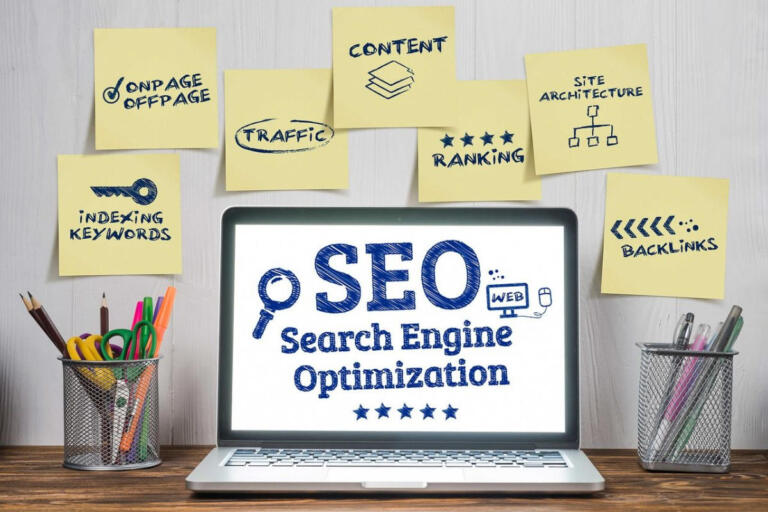
In the rapidly evolving digital landscape, startups face a unique set of challenges. While innovation and agility are their strengths, the path to building a strong online presence can often be a daunting one. One of the most effective strategies that startups can leverage to enhance their visibility and grow their customer base is Search Engine Optimization (SEO). In 2025, SEO continues to be an essential part of digital marketing, and understanding the latest SEO trends is key to maximizing growth potential.
SEO is more than just inserting keywords into web pages. It’s about creating a comprehensive, user-centric online presence that both search engines and customers find valuable. For startups, SEO is an investment that pays off in organic search traffic, brand credibility, and ultimately, revenue. Here’s why you should consider SEO trends for startups in 2025 and how staying ahead of these trends can provide a competitive advantage.
1. Organic Traffic Remains a Key Driver of Growth
For any startup looking to succeed in the long term, building a strong foundation of organic traffic should be a priority. SEO is one of the most effective ways to generate consistent, cost-effective traffic to your website. While paid ads and social media campaigns can certainly help bring in traffic in the short term, they can be expensive and difficult to sustain over time. In contrast, SEO works in the background, gradually improving your website’s visibility without the need for ongoing investment.
In 2025, as competition intensifies, the significance of ranking on the first page of search engine results has never been greater. Studies have consistently shown that websites in the top positions receive the most clicks, often capturing 90% of search traffic. For a startup, this could mean the difference between gaining traction and getting lost in the digital noise.
2. Voice Search Is on the Rise
The increasing popularity of voice-enabled devices like smartphones, smart speakers, and virtual assistants is driving a significant shift in how users search for information. By 2025, voice search is expected to account for a substantial portion of all searches. This shift is changing the way people phrase their search queries, as voice searches tend to be more conversational and question-based.
For startups, this presents a unique opportunity to optimize for voice search by focusing on natural language, long-tail keywords, and providing direct answers to common questions. Voice search optimization involves crafting content that answers questions succinctly, typically in a conversational tone. By aligning your content with voice search trends, you can capture a growing segment of the market that searches using voice commands.
3. Mobile Optimization Is a Must
Mobile-first indexing is now the standard for Google, meaning that the mobile version of your website is considered the primary version when determining search rankings. As smartphone usage continues to rise, particularly among younger demographics, ensuring that your startup’s website is fully optimized for mobile is essential. In fact, mobile traffic now accounts for more than half of global website traffic, and this trend is expected to continue growing.
A mobile-optimized website ensures that your startup delivers a seamless experience to users, regardless of the device they are using. This not only improves user engagement but also boosts your SEO rankings. Slow-loading pages, difficult-to-read text, and broken navigation links on mobile devices will create frustration and drive potential customers away, negatively impacting both your user experience and search engine ranking.
4. E-A-T (Expertise, Authoritativeness, and Trustworthiness) Will Influence Rankings
Google’s focus on providing high-quality content to its users has led to the development of the E-A-T principle (Expertise, Authoritativeness, and Trustworthiness). For startups, it’s not enough to simply publish content on a website and hope that it ranks well. Instead, Google looks for signals that your content is written by experts, is credible, and is trustworthy. This is especially important in industries such as finance, health, or law, where users rely on accurate and authoritative information.
To enhance your startup’s SEO rankings, it’s essential to establish your brand as an authority in your industry. This can be done by producing in-depth, well-researched content, engaging in thought leadership opportunities, and acquiring backlinks from reputable sources. By fostering trust and demonstrating expertise, you’ll not only improve your SEO but also build customer loyalty and brand credibility.
5. Content Quality Over Quantity
As the digital world becomes more saturated with content, it’s no longer enough to simply churn out blog posts or articles for the sake of quantity. In 2025, high-quality content is paramount. Search engines, particularly Google, prioritize content that provides real value to users. That means your content must be informative, well-researched, original, and relevant to your audience’s needs.
For startups, this means moving away from keyword-stuffed articles and focusing on providing in-depth, helpful, and engaging content that answers the specific questions and concerns of your target audience. Whether you are creating blog posts, videos, podcasts, or infographics, the content should have a clear purpose and solve a problem for your potential customers.
Additionally, the rise of rich content formats, such as long-form articles, videos, and interactive experiences, will require startups to invest in producing high-quality multimedia content. Google’s algorithms are increasingly looking for diverse content types that engage users, so embracing a content variety will enhance your SEO strategy and improve user engagement.
6. The Role of Artificial Intelligence (AI) in SEO
Artificial intelligence (AI) is already playing a significant role in SEO, and by 2025, its influence will only grow. Google’s RankBrain, a machine learning-based algorithm, is already shaping how search results are ranked by interpreting user intent and improving search relevance. For startups, embracing AI-powered tools can help improve SEO efforts by providing valuable insights into consumer behavior, predicting trends, and optimizing content strategies.
AI tools can assist in keyword research, content creation, and even link-building strategies, helping startups to stay ahead of the curve. These tools can also provide real-time analytics, allowing businesses to track their SEO performance and make data-driven decisions. By adopting AI-powered solutions, startups can streamline their SEO processes and remain competitive in a fast-changing landscape.
7. Link Building Remains a Crucial Element
While many aspects of SEO have evolved, link building remains a cornerstone of SEO success. High-quality backlinks signal to search engines that other reputable websites trust your content, which can significantly improve your rankings. For startups, building an effective link-building strategy involves creating shareable, valuable content that naturally attracts backlinks.
In 2025, however, the focus will be on building high-authority, relevant links rather than quantity. Startups should aim to earn backlinks from reputable sources within their industry, such as influencers, bloggers, and thought leaders. Additionally, guest posting, influencer collaborations, and partnerships will be valuable strategies for acquiring quality backlinks.
8. Local SEO for Targeted Growth
For startups that serve specific geographic regions, local SEO will become increasingly important. Local SEO helps your startup get discovered by potential customers in your vicinity and ensures that your business shows up in local search results. As more people use mobile devices to search for businesses near them, optimizing for local SEO is critical to driving foot traffic, phone calls, and website visits.
Optimizing your Google My Business profile, ensuring consistent name, address, and phone number (NAP) information across all online platforms, and acquiring local backlinks will improve your local search rankings. For startups looking to expand locally, local SEO should be a fundamental part of their marketing strategy.
9. SEO and User Experience (UX) Go Hand in Hand
In 2025, SEO and user experience (UX) will be closely intertwined. Search engines like Google are increasingly prioritizing websites that deliver an exceptional user experience. Fast-loading pages, intuitive navigation, mobile-friendliness, and easy-to-read content all contribute to a positive user experience, which in turn can improve your SEO performance.
A poor user experience can lead to higher bounce rates and lower engagement, which are red flags for search engines. Startups must ensure that their websites are not only optimized for SEO but also designed with the user in mind. Creating a seamless, enjoyable user experience is a win-win for both your audience and your SEO efforts.
Conclusion
For startups looking to gain traction in an increasingly competitive digital world, staying on top of SEO trends is crucial. SEO provides an opportunity to drive organic traffic, establish brand authority, and improve user engagement—all of which contribute to long-term business growth. By embracing emerging SEO trends such as voice search optimization, mobile-first design, E-A-T principles, AI tools, and quality content creation, startups can build a solid foundation for success. In a world where online visibility is often the difference between success and failure, SEO is no longer optional—it’s essential for sustainable growth.