
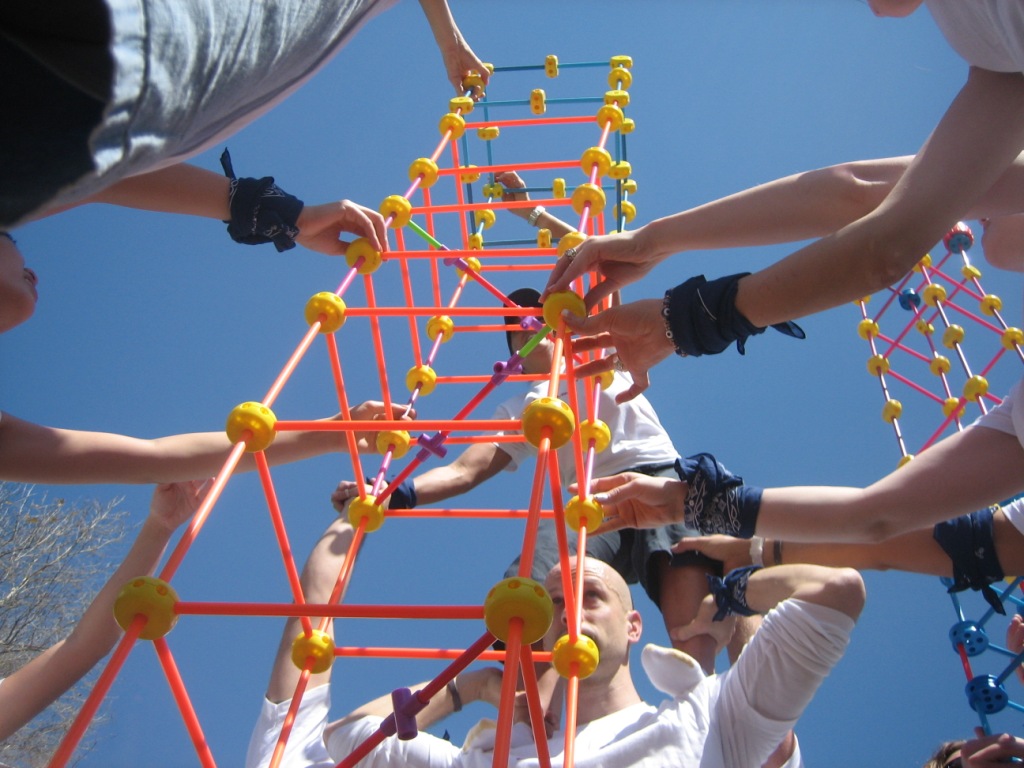
Western Australia presents a different set of challenges for workplace connection. Teams may be based in Perth offices, regional centres, mine sites, education settings, healthcare environments or businesses spread across large distances. For organisations arranging team building activities in Western Australia by XLEvents, can help create shared experiences that make communication feel less transactional and workplace relationships easier to build.
Distance Can Shape Team Culture
In Western Australia, geography often plays a bigger part in workplace culture than people realise. Teams may be split between city offices, regional branches, remote sites and hybrid working arrangements. Even when people work for the same organisation, they may not spend much time together in person.
This can make communication more functional than personal. Staff may know each other through emails, calls or project updates, but not through shared experience. Over time, that can affect trust, confidence and the ease with which people collaborate.
A well-planned team building activity gives people a chance to reset that dynamic. It creates a shared moment where colleagues can interact outside their normal roles and build familiarity that makes future work feel smoother.
Activities Should Reflect the Working Environment
A Perth-based corporate team may need a very different activity from a regional operations team or a group working in resources, logistics or healthcare. The activity should suit the setting, the energy level of the group and the purpose of the day.
For office teams, creative problem-solving or communication-based challenges may work well. For operational teams, practical activities that reward planning, trust and coordination may feel more relevant. For leadership teams, strategic exercises can reveal how people make decisions under pressure.
The best sessions feel connected to real workplace behaviours without becoming too serious. People should enjoy the activity, but they should also recognise the skills being used.
Inclusivity Is Especially Important
Team building should not rely only on physical confidence, loud personalities or competitive energy. A strong session gives different people different ways to contribute. Some may be good at organising the group, others at noticing details, keeping morale up, solving problems or making quick decisions.
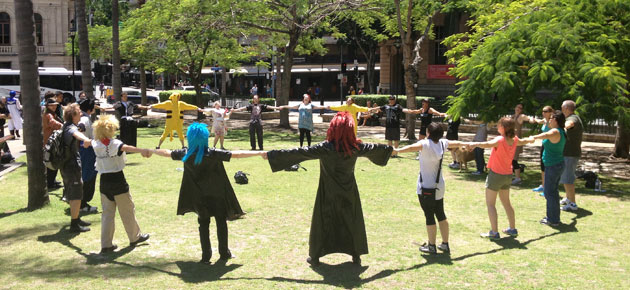
This matters in mixed teams, where people may come from different departments, seniority levels, cultures and working backgrounds. If an activity feels too narrow, some employees may disengage. If it feels balanced and accessible, more people can take part properly.
Inclusive team building can also help reveal hidden strengths. Someone who is quiet in everyday meetings may become central to the group’s success when the task requires patience, observation or careful thinking.
Timing and Logistics Need Careful Thought
Western Australia’s size means logistics can make or break a team building session. Travel time, venue access, weather, shift patterns and staff availability all need to be considered early.
For some teams, it may be better to bring the activity to the workplace or conference venue. For others, an off-site location can help people properly step away from their usual routine. The right choice depends on how easy it is for the group to attend and how much time the organisation can realistically set aside.
A session that is difficult to reach or poorly timed can feel like another work obligation. A session that is planned around the team’s reality is much more likely to feel worthwhile.
The Real Value Comes After the Session
Team building should not be treated as a one-day fix. Its value comes from what the team notices, discusses and applies afterwards. A short debrief can help people connect the activity to their everyday work.
Useful questions might include: how did the group make decisions, who helped communication flow, where did misunderstandings happen, and what strengths became visible? These reflections can lead to practical changes in meetings, handovers, planning and collaboration.
For Western Australian workplaces, where teams may be spread out or working in demanding environments, these lessons can be especially valuable. A good team building session can help people feel more connected, understand each other better and return to work with stronger habits around communication and cooperation.