
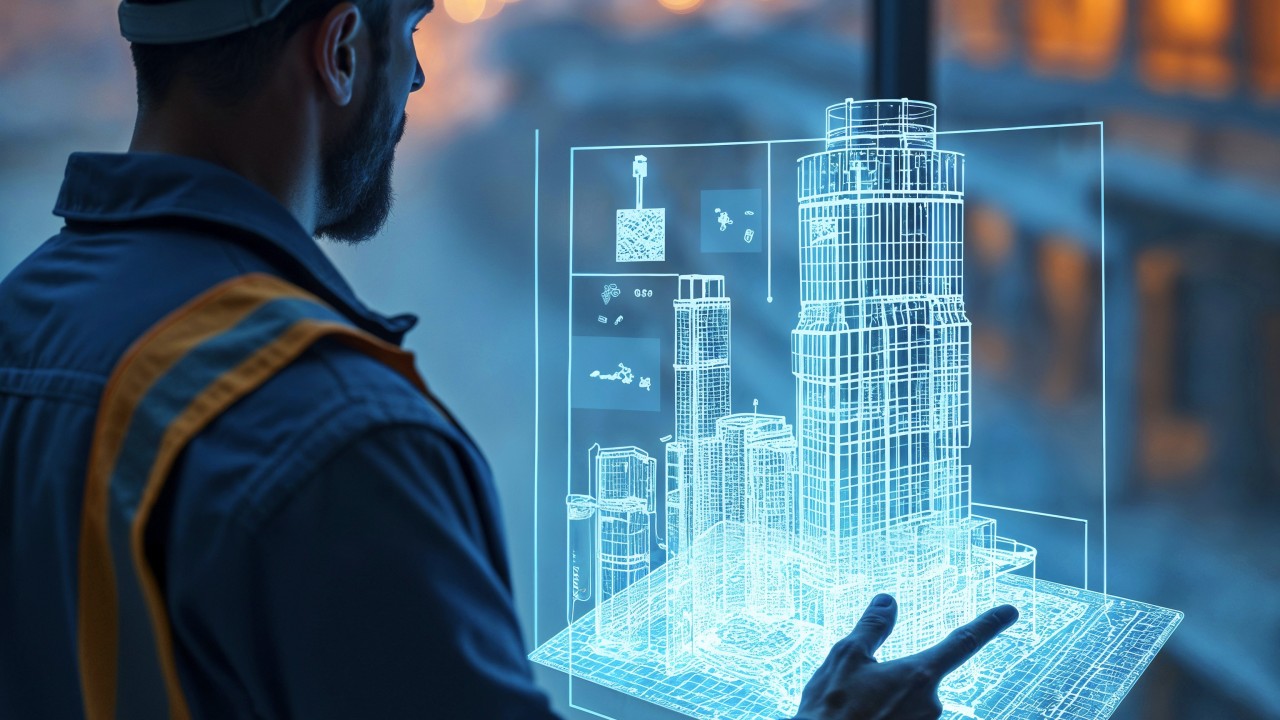
Modern cities are evolving, and with them, the buildings we inhabit. In Thailand, where the climate demands significant energy for cooling and urban centres are expanding, the push for smarter, more efficient buildings is gaining momentum. Innovative building automation is at the forefront of this transformation, offering a way to create spaces that are not only comfortable and convenient but also substantially more sustainable.
This technology integrates a building’s core systems—heating, ventilation, air conditioning (HVAC), lighting, security, and energy management—into a single, intelligent platform. The goal is to optimise performance, reduce energy consumption, and lower operational costs. Working with an experienced building automation solutions provider is essential for designing and implementing a system that meets the specific needs of a facility, from a large shopping centre in Bangkok to a resort in Phuket. The right system makes buildings responsive to both their occupants and the external environment.
These automated systems use sensors and data analytics to make real-time adjustments. For example, sensors can detect occupancy in a room and automatically adjust lighting and air conditioning, preventing energy waste in empty areas. This level of control is particularly beneficial in Thailand’s tropical climate, where air conditioning can account for a large portion of a building’s energy usage. By intelligently managing these systems, building owners can see a significant reduction in their carbon footprint and utility bills.
The Tangible Benefits of Smart Buildings
The advantages of building automation extend beyond simple energy savings. These systems enhance the comfort and productivity of the people inside. Imagine an office where the lighting adjusts throughout the day to match natural light patterns, or where the temperature is consistently maintained at an optimal level. This creates a healthier and more pleasant environment for employees and visitors.
Furthermore, predictive maintenance is another significant benefit. An automated system can monitor the performance of equipment like air conditioning units and alert facility managers to potential issues before they cause a failure. This proactive approach minimises downtime, reduces repair costs, and extends the lifespan of expensive equipment. It shifts building management from a reactive to a predictive model, ensuring smooth and uninterrupted operations.
Advancements Shaping the Future in Thailand
The technology behind building automation is constantly improving. The integration of the Internet of Things (IoT) has led to a new generation of smarter, more connected devices. These devices gather vast amounts of data, which can be analysed by artificial intelligence (AI) to identify patterns and further refine a building’s performance.
For Thailand, this means the potential to develop buildings that are not just energy-efficient but also resilient. As cities grow and environmental concerns become more pronounced, building automation offers a practical path towards a more sustainable future. By embracing these innovations, businesses and property owners can contribute to national sustainability goals while improving their own operational efficiency and creating better spaces for everyone.