
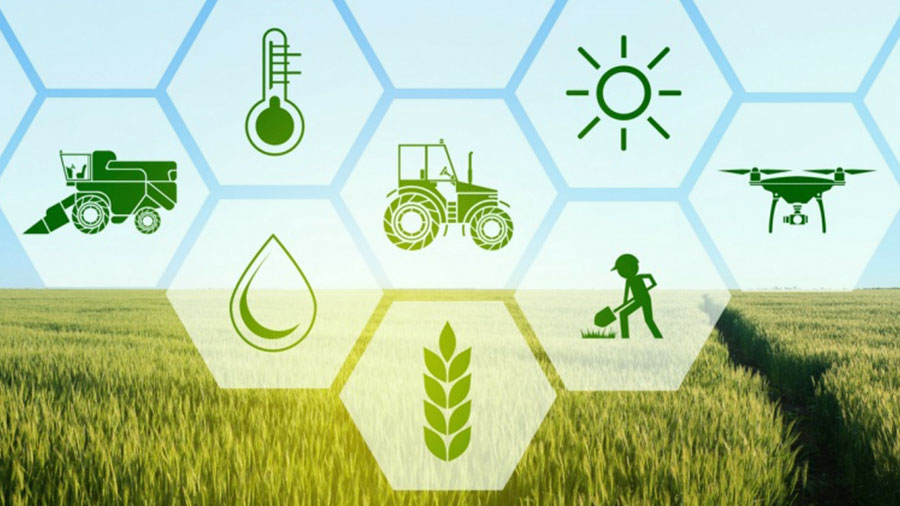
Agriculture has always been the backbone of human civilization, providing food, fiber, and raw materials necessary for life. However, with a growing global population, shifting environmental conditions, and increasing demand for more efficient farming practices, traditional agricultural methods are being challenged. As the pressures on the agricultural sector intensify, technology is stepping in to help farmers meet these challenges while promoting sustainability. Agriculture technology, or AgTech, has emerged as a key enabler of sustainable growth in the farming industry, providing innovative solutions that improve productivity, reduce waste, and minimize environmental impact.
In this beginner’s guide, we will explore the fundamentals of AgTech and how it can drive sustainable growth in agriculture. From precision farming to smart irrigation systems, we will discuss the various tools and techniques that are transforming the agricultural landscape and paving the way for a more sustainable and resilient future.
What is Agriculture Technology (AgTech)?
Agriculture technology refers to the integration of modern technologies into agricultural practices to improve the efficiency, productivity, and sustainability of farming. The goal of AgTech is not only to produce more food but to do so in a way that minimizes the environmental footprint of agriculture and supports long-term ecological balance. It encompasses a wide range of technologies, from automated machinery and data analytics to biotechnology and renewable energy solutions, all designed to optimize various aspects of the farming process.
The advent of AgTech is revolutionizing the way farmers approach their work, offering tools to monitor, manage, and improve every facet of agriculture. By using data-driven insights and advanced technologies, farmers can make more informed decisions, reduce resource consumption, and minimize waste, all while enhancing crop yields and promoting environmental sustainability.
Key Agriculture Technologies for Sustainable Growth
1. Precision Agriculture
Precision agriculture (PA) is one of the most impactful trends in modern farming. This approach uses technology to monitor and manage field variability in crops to optimize resource use and maximize yields. Precision farming relies on data from various sources, such as satellite imagery, sensors, and drones, to assess soil health, moisture levels, and crop conditions. By collecting and analyzing this data, farmers can apply the right amount of water, fertilizers, and pesticides to specific areas of their fields, rather than using a blanket approach.
The benefits of precision agriculture are multifaceted. By reducing input waste and improving the effectiveness of resource use, it helps lower costs for farmers while also minimizing environmental damage. For instance, targeted fertilizer application reduces the risk of runoff into nearby water bodies, which can cause nutrient pollution and eutrophication. Moreover, precision farming allows farmers to detect early signs of pests or diseases, enabling them to take preventive measures and reduce the use of harmful chemicals.
2. Smart Irrigation Systems
Water scarcity is a significant concern for farmers, particularly in areas where droughts are becoming more frequent and severe. Efficient water management is essential for sustainable agriculture, and smart irrigation systems are playing a pivotal role in addressing this issue. These systems use advanced sensors, weather forecasts, and soil moisture data to determine the optimal time and amount of water needed for crops.
Smart irrigation systems can adjust watering schedules in real-time based on environmental conditions, ensuring that crops receive just the right amount of water without wasting resources. By reducing water consumption and preventing over-irrigation, these systems help conserve water and reduce energy costs. Additionally, they can improve crop yields by ensuring that crops are watered precisely when they need it, promoting healthy plant growth while minimizing the risk of disease or root rot caused by excess water.
3. Drones and Aerial Imaging
Drones are revolutionizing the way farmers monitor their fields. Equipped with high-resolution cameras and sensors, drones can capture detailed aerial images of crops, providing real-time data on plant health, soil conditions, and growth patterns. This technology enables farmers to gain a bird’s-eye view of their fields, identifying potential issues that may not be visible from the ground.
By using drones, farmers can monitor large areas of land quickly and efficiently, reducing the time and labor required for traditional field inspections. The data collected by drones can be analyzed to detect early signs of disease, pest infestations, or nutrient deficiencies, allowing farmers to take targeted action and prevent crop loss. Drones can also be used for precise application of fertilizers, pesticides, or herbicides, further reducing waste and minimizing environmental impact.
4. Robotics and Automation
Automation in agriculture is helping farmers tackle labor shortages, improve efficiency, and reduce operational costs. Robotics technology is increasingly being used for tasks such as planting, harvesting, and weeding. Autonomous tractors, harvesters, and drones are capable of performing tasks with high precision, allowing farmers to optimize their workflows and improve productivity.
For example, automated harvesting systems can pick crops at the optimal time, ensuring better-quality produce and reducing food waste. Similarly, robotic weeding systems can identify and remove weeds with minimal use of herbicides, reducing the environmental impact of chemical applications. These innovations not only improve efficiency but also create more sustainable farming practices by reducing reliance on manual labor and chemical inputs.
5. Biotechnology and Genetic Engineering
Biotechnology plays a crucial role in developing more resilient crops capable of withstanding adverse environmental conditions, such as drought, disease, and extreme temperatures. Genetic engineering allows scientists to modify the genetic makeup of crops to enhance their resistance to pests, improve nutritional content, or increase yield.
For example, genetically modified (GM) crops such as drought-resistant corn and pest-resistant cotton have already demonstrated their ability to thrive in challenging conditions. These crops require fewer resources, such as water and pesticides, which contributes to more sustainable farming practices. Furthermore, biotechnology is enabling the development of crops that can grow in marginal soils, potentially expanding agricultural production into previously unproductive areas.
While biotechnology has faced some controversy, especially regarding GMOs, it remains a powerful tool in the pursuit of sustainable agriculture. Ongoing research into plant genetics and genome editing techniques, such as CRISPR, holds promise for creating even more precise and environmentally friendly crop varieties in the future.
6. Sustainable Energy Solutions
Energy consumption is a significant factor in agricultural production, especially in areas such as irrigation, greenhouse heating, and food processing. Renewable energy solutions, such as solar, wind, and biomass, are being increasingly adopted by farms to reduce their reliance on fossil fuels and lower their carbon footprint.
Solar panels can be used to power irrigation systems, greenhouses, and other farm equipment, while wind turbines can generate electricity for farms in windy areas. Additionally, biomass energy, derived from organic waste materials, can be used to produce heat and electricity, creating a circular system where farm waste is repurposed for energy production.
By investing in renewable energy solutions, farmers not only reduce their environmental impact but also lower their operational costs in the long term. As the cost of renewable energy technologies continues to decrease, these solutions are becoming more accessible to farms of all sizes, driving the adoption of sustainable practices across the industry.
The Future of Agriculture Tech
The future of agriculture is undeniably tied to technology. As the global population continues to grow, the demand for food will only increase, placing pressure on agricultural systems to produce more with fewer resources. Agriculture technology offers the solutions needed to meet this demand sustainably. By embracing innovations like precision agriculture, smart irrigation, robotics, and biotechnology, the industry is poised to reduce its environmental footprint, improve food security, and enhance resilience in the face of climate change.
For farmers looking to adopt these technologies, the first step is to assess their specific needs and challenges. Whether it’s improving water efficiency, enhancing crop yields, or reducing labor costs, AgTech solutions can be tailored to suit the unique conditions of each farm. As these technologies become more affordable and accessible, they offer immense potential for driving sustainable growth and creating a more resilient agricultural future.
Ultimately, the integration of agriculture technology into farming practices will not only enhance productivity but also ensure that agriculture remains an environmentally responsible and economically viable industry for generations to come.