
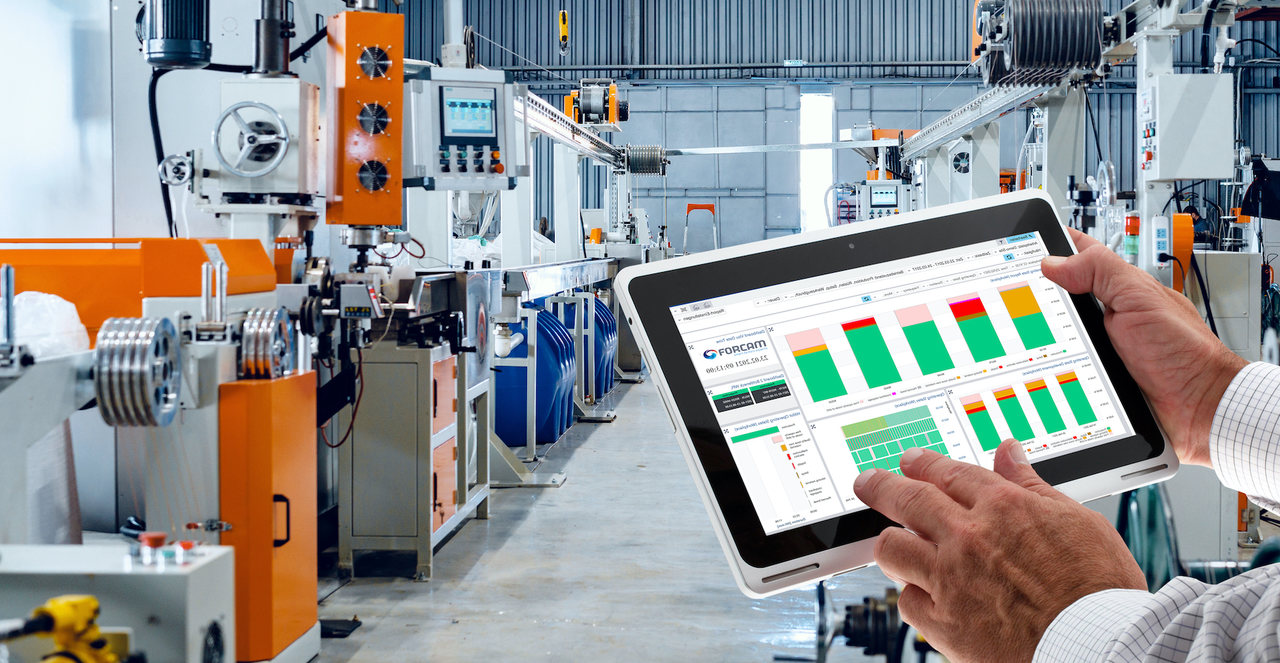
Industrial operations have always depended on equipment reliability. Unexpected machine failures can disrupt production schedules, inflate maintenance costs, and compromise worker safety. Predictive maintenance is reshaping how industries manage these risks by shifting maintenance decisions from guesswork and fixed schedules to data-driven insights. As digital technologies mature, predictive maintenance is becoming a core operational strategy rather than a niche capability.
What Predictive Maintenance Really Means
Predictive maintenance focuses on anticipating equipment issues before they cause breakdowns. Instead of waiting for a machine to fail or servicing it at fixed intervals, organizations continuously monitor asset health using real-time data.
This approach relies on analyzing patterns in equipment behavior to detect early warning signs of wear or malfunction. Maintenance actions are then scheduled only when indicators suggest they are truly needed.
Key data sources include:
-
Vibration and acoustic signals
-
Temperature and pressure readings
-
Energy consumption patterns
-
Lubrication quality and fluid analysis
-
Historical maintenance and failure records
Why Industrial Sectors Are Adopting Predictive Maintenance Faster
Industries face increasing pressure to improve efficiency while managing aging infrastructure and rising operational costs. Predictive maintenance directly addresses these challenges.
The primary drivers include:
-
Higher production uptime requirements
-
Expensive and complex machinery
-
Tighter safety and regulatory expectations
-
Greater availability of industrial sensors and analytics tools
-
Growing demand for cost transparency in maintenance budgets
By reducing unplanned downtime, predictive maintenance protects both productivity and profitability.
Technologies Powering Predictive Maintenance
The rapid growth of predictive maintenance is closely tied to advances in industrial technology. Modern systems combine multiple tools to deliver accurate and actionable insights.
Common enabling technologies are:
-
Industrial IoT sensors for continuous condition monitoring
-
Machine learning models that detect anomalies and failure patterns
-
Cloud-based platforms for scalable data processing
-
Edge computing for real-time analysis near the equipment
-
Integrated maintenance software that links predictions to work orders
Together, these technologies allow maintenance teams to move from reactive fixes to proactive planning.
Impact Across Key Industrial Sectors
Predictive maintenance is influencing a wide range of industries, each with distinct operational priorities.
Manufacturing
-
Identifies equipment wear before quality issues arise
-
Reduces production line stoppages
-
Improves asset utilization rates
Energy and Utilities
-
Prevents failures in turbines, transformers, and grids
-
Enhances safety in remote or hazardous locations
-
Supports consistent energy delivery
Transportation and Logistics
-
Monitors fleet health to avoid breakdowns
-
Extends vehicle and equipment lifespan
-
Improves delivery reliability
Mining and Heavy Industry
-
Detects stress in large-scale machinery
-
Minimizes safety risks linked to sudden failures
-
Reduces repair costs in hard-to-access sites
Business Benefits Beyond Cost Savings
While cost reduction is a major advantage, predictive maintenance delivers broader strategic value.
Organizations benefit from:
-
Better maintenance planning and resource allocation
-
Longer equipment lifespan
-
Improved workplace safety
-
More accurate forecasting of maintenance budgets
-
Stronger alignment between operations and leadership goals
Over time, these advantages contribute to more resilient and adaptable industrial operations.
Challenges to Address Before Full Adoption
Despite its benefits, predictive maintenance requires thoughtful implementation.
Common challenges include:
-
Integrating data from legacy equipment
-
Ensuring data accuracy and consistency
-
Training teams to trust and act on predictive insights
-
Managing upfront investment costs
-
Aligning maintenance predictions with production schedules
Successful adoption depends on starting with high-impact assets and scaling gradually.
The Future of Predictive Maintenance in Industry
Predictive maintenance is evolving from condition monitoring into prescriptive decision-making, where systems not only predict failures but also recommend optimal actions. As analytics become more refined, maintenance strategies will increasingly support sustainability goals by reducing waste, energy use, and unnecessary part replacements.
For industrial sectors, predictive maintenance is no longer about avoiding breakdowns alone. It is becoming a foundation for smarter operations, stronger governance, and long-term competitiveness.
Frequently Asked Questions
1. How is predictive maintenance different from preventive maintenance?
Predictive maintenance relies on real-time data and analytics, while preventive maintenance follows fixed schedules regardless of actual equipment condition.
2. What types of equipment benefit most from predictive maintenance?
High-value, mission-critical, and continuously operating assets typically deliver the strongest returns.
3. Does predictive maintenance replace human maintenance teams?
No. It supports technicians by providing better insights, allowing them to focus on targeted and higher-value tasks.
4. How long does it take to see results after implementation?
Many organizations see measurable improvements within months, especially when starting with critical equipment.
5. Is predictive maintenance suitable for small industrial operations?
Yes. Scalable solutions allow smaller facilities to adopt predictive maintenance without large upfront investments.
6. What role does data quality play in predictive maintenance?
Accurate, consistent data is essential. Poor data quality can lead to false alerts or missed failure signals.
7. Can predictive maintenance improve safety outcomes?
Yes. Early detection of equipment issues reduces the risk of sudden failures that could endanger workers.
If you’d like, I can adapt this article for a specific industry, SEO requirements, or a minimum word count target.