
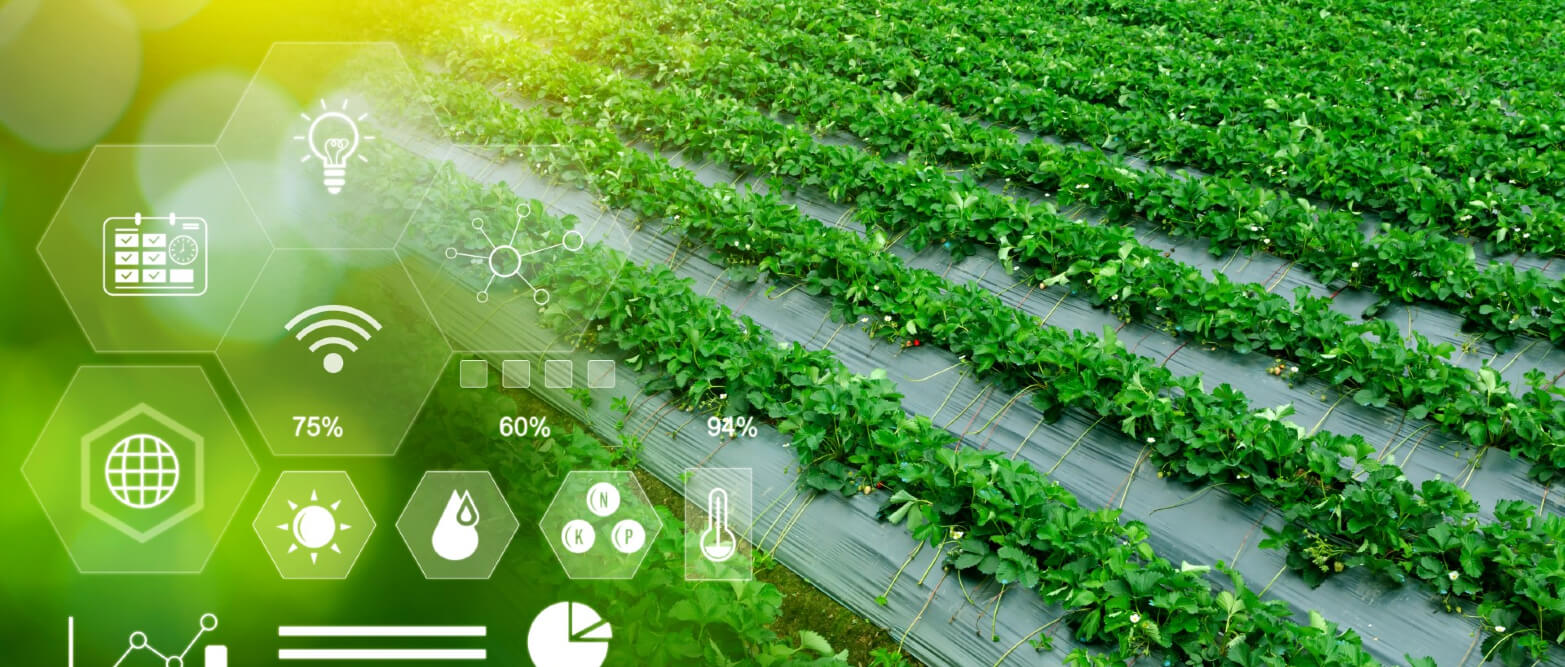
The agricultural industry has traditionally been seen as slow to change, but that narrative is rapidly shifting. Thanks to advances in technology, agriculture is becoming an exciting and dynamic field for innovation. In particular, the growing field of agriculture technology (AgTech) is creating vast opportunities for startups to address some of the most pressing challenges in food production, sustainability, and resource management. As we look to the future, AgTech has the potential to completely reshape the way we think about farming and food production, especially for startups willing to embrace cutting-edge technologies and forward-thinking strategies.
In this article, we’ll explore the future of AgTech for startups, including key trends, emerging technologies, and the challenges startups will face as they look to carve out their niche in this rapidly evolving sector.
1. The Rise of Precision Agriculture
One of the most significant transformations in agriculture is the shift towards precision farming, which involves using technology to monitor and manage crops more efficiently. Through the use of sensors, drones, and GPS technology, farmers can gather data on everything from soil moisture to crop health, allowing for more precise applications of water, fertilizers, and pesticides. This leads to cost savings, higher yields, and more sustainable farming practices.
What This Means for Startups: For AgTech startups, the potential for innovation in precision agriculture is immense. Companies can develop sophisticated sensor systems, data analytics platforms, and machine learning algorithms that offer farmers real-time insights into their crops. Startups that can offer easy-to-use, affordable solutions that integrate into existing farm operations will have a competitive advantage. Additionally, the integration of AI-powered predictive analytics can help farmers make better decisions about planting, irrigation, and harvesting, leading to enhanced productivity and reduced environmental impact.
2. Sustainability as a Driving Force
The future of agriculture is inextricably linked with sustainability. As the global population continues to grow, there will be an increasing demand for food, yet our natural resources are finite. Climate change, water scarcity, and soil degradation are just a few of the challenges that farmers face. Consequently, sustainability has become a major focus within AgTech. Startups that focus on reducing environmental impact, improving resource efficiency, and promoting sustainable farming practices are well-positioned for success.
What This Means for Startups: Startups focusing on sustainable agriculture have an opportunity to capitalize on the growing demand for eco-friendly solutions. Technologies such as vertical farming, hydroponics, and aquaponics are gaining traction as ways to grow food in urban environments with minimal resource consumption. Moreover, startups can explore innovations in regenerative agriculture, which aims to restore soil health and enhance biodiversity. By offering solutions that not only improve efficiency but also address the environmental impact of farming, AgTech startups can differentiate themselves in a crowded market.
3. Automation and Robotics: The Future of Labor Efficiency
Labor shortages in agriculture are a persistent problem, and automation is emerging as a solution. Robotics and automation technologies are making their way into the field, offering farmers a way to reduce dependence on manual labor, increase precision, and lower operational costs. Autonomous tractors, harvesters, and drones are already being used for tasks such as planting, harvesting, and crop monitoring, and this trend is expected to continue growing in the future.
What This Means for Startups: Automation presents a major opportunity for startups to develop robotic systems that can take over labor-intensive tasks. Robotics startups can focus on creating machines that can plant seeds, apply fertilizers, and even harvest crops with minimal human intervention. Additionally, AI and machine learning algorithms are playing a role in improving the efficiency of these systems, making them smarter and more adaptable. For startups, the key challenge will be to create affordable, scalable solutions that can be adopted by farmers of various sizes, from smallholder farms to large industrial operations.
4. Data-Driven Decision Making
As the agriculture industry becomes more technology-driven, data is rapidly becoming one of its most valuable assets. Startups are playing a crucial role in providing farmers with the tools and platforms needed to collect, analyze, and act upon agricultural data. From weather patterns to soil conditions, data can help farmers make informed decisions that lead to better outcomes. As the Internet of Things (IoT) expands, sensors and connected devices will play a key role in gathering vast amounts of data from farms in real-time.
What This Means for Startups: AgTech startups can take advantage of the explosion of data by developing innovative data platforms and analytics tools. Whether through cloud-based software, mobile apps, or IoT devices, startups that help farmers collect and interpret data in meaningful ways will be highly sought after. Furthermore, with the help of machine learning and predictive analytics, data can be used to optimize crop management and forecasting, allowing farmers to anticipate challenges and make proactive adjustments. As data-driven decision-making becomes more prevalent, the need for startups that offer user-friendly, actionable insights will grow.
5. Blockchain for Transparency and Traceability
As consumers demand more transparency about where their food comes from, blockchain technology has emerged as a powerful tool in the agricultural supply chain. Blockchain allows for the secure and transparent tracking of food products from farm to table, ensuring that consumers know exactly where their food has been and how it was produced. For farmers, blockchain can help streamline operations, reduce fraud, and ensure compliance with regulations.
What This Means for Startups: Startups that can develop blockchain-based platforms for agriculture will be at the forefront of the transparency movement. By offering solutions that enable farmers to track the journey of their products and provide verifiable data to consumers, startups can help build trust in the food supply chain. Furthermore, blockchain can be used to improve payment systems, streamline supply chain logistics, and enhance food safety, providing a broad range of opportunities for AgTech entrepreneurs.
6. The Emergence of Artificial Intelligence and Machine Learning
AI and machine learning are poised to revolutionize the agricultural industry. These technologies can be applied in a variety of ways, from optimizing crop management to automating processes and predicting market trends. For example, AI-powered systems can help farmers detect diseases and pests in crops with high accuracy, enabling timely interventions and reducing the need for harmful chemicals.
What This Means for Startups: Startups can leverage AI and machine learning to create tools that help farmers optimize their operations. From predicting the best time to plant crops to identifying areas in need of irrigation, AI can provide real-time insights that lead to better decision-making. The integration of AI into precision agriculture tools will help improve crop yields, reduce waste, and lower costs. However, AI solutions need to be accessible, affordable, and easy to use for farmers to gain widespread adoption. Startups that can balance technological sophistication with user-friendliness will be well-positioned for success.
7. Challenges Facing AgTech Startups
While the future of AgTech is promising, startups in this space face a unique set of challenges. One of the biggest hurdles is the high cost of developing cutting-edge technologies, which can make it difficult for early-stage companies to scale. Additionally, the agricultural sector is notoriously conservative, and many farmers are hesitant to adopt new technologies, particularly those that require significant upfront investment.
Navigating These Challenges: To overcome these barriers, AgTech startups need to be strategic in their approach. Offering affordable, scalable solutions and demonstrating clear value to farmers is essential for adoption. Collaborating with industry partners, such as agricultural cooperatives, universities, and large farming corporations, can also help startups gain credibility and access to resources. Moreover, ensuring that solutions are adaptable to various farm sizes and types will help drive adoption across the agricultural sector.
Conclusion
The future of agriculture technology holds immense potential, especially for startups that are poised to leverage emerging technologies to address global challenges in food production, sustainability, and resource management. From precision agriculture and automation to AI-driven data analysis and blockchain-based transparency, the opportunities for innovation are vast. Startups that focus on providing practical, scalable, and sustainable solutions will be at the forefront of this transformation. However, as with any burgeoning industry, navigating the challenges of cost, adoption, and market education will require perseverance, creativity, and a clear value proposition.
By embracing the future of AgTech, startups can not only contribute to the advancement of the agricultural sector but also become key players in the creation of a more sustainable and efficient food system for generations to come.
