
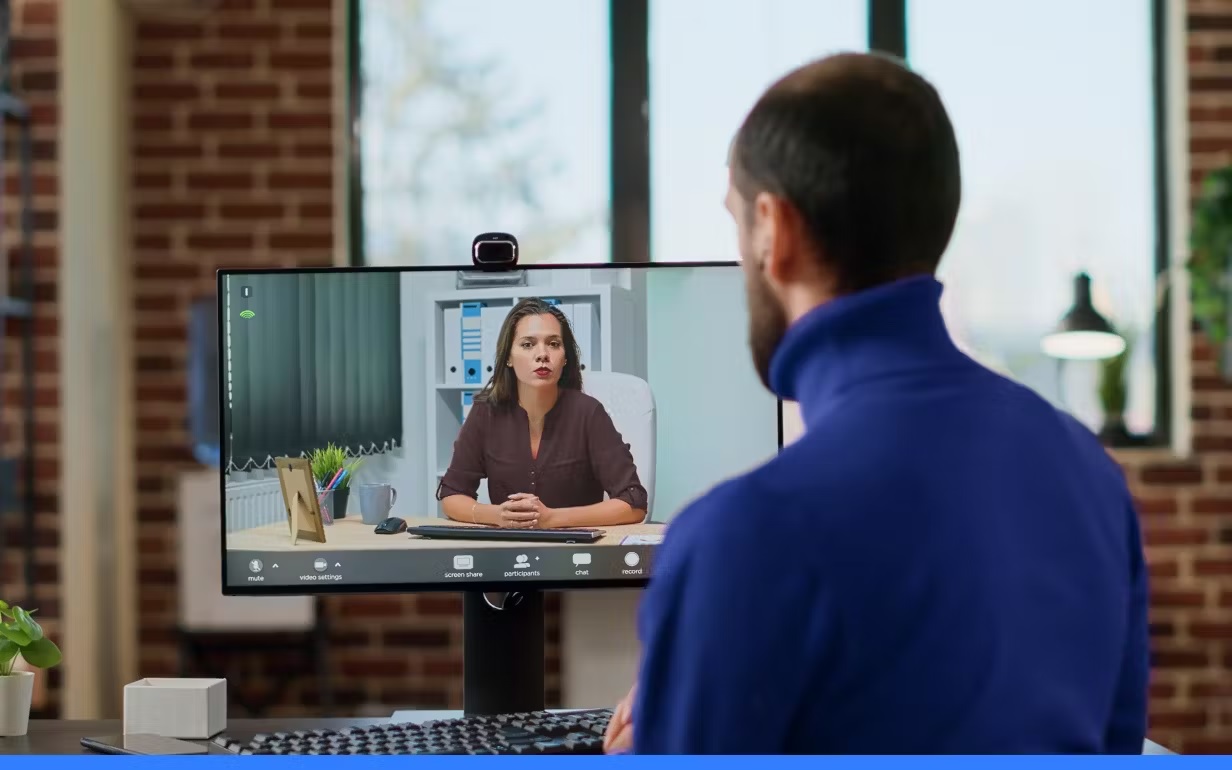
The rise of remote work has radically transformed the way companies approach hiring, recruitment, and employee management. What was once a niche practice adopted by a handful of progressive companies has now become the standard for a significant portion of the global workforce. The COVID-19 pandemic accelerated this shift, compelling businesses to adapt to new ways of working and rethinking how they evaluate and onboard talent. In response, top companies have leveraged innovative remote hiring practices that prioritize flexibility, accessibility, and efficiency while still maintaining high standards for talent acquisition. As we look toward the future, experts have weighed in on the best practices, emerging trends, and challenges that will shape remote hiring in the coming years.
The Shift to Remote Hiring: A Necessary Evolution
Before the pandemic, remote hiring was largely associated with specific industries, such as tech, consulting, or customer service. However, in the aftermath of 2020, companies across virtually every sector were forced to adopt remote hiring practices as part of their ongoing business continuity efforts. The long-term success of remote work and recruitment strategies hinges on companies’ ability to adapt to this shift while preserving the integrity and quality of their hiring processes.
Experts agree that the transition to remote hiring is not just a response to temporary circumstances but a significant shift in how businesses interact with talent. According to global workforce expert Dr. John Boudreau, “Remote hiring is not a short-term fix. It’s a new way of working that offers both companies and candidates greater flexibility, and when done right, it can lead to stronger talent acquisition and retention.” As businesses explore this permanent shift, experts note several key principles that top companies are incorporating into their remote hiring practices to attract and retain the best talent.
1. Leveraging Technology to Streamline Recruitment
One of the most significant advantages of remote hiring is the ability to tap into a broader, global talent pool. This is where technology plays a pivotal role. Top companies are using AI-driven recruitment tools, applicant tracking systems (ATS), video interviewing platforms, and skill assessment software to automate and optimize various stages of the hiring process. Experts suggest that these technologies not only help scale recruitment efforts but also ensure that hiring decisions are based on data-driven insights rather than subjective biases.
“In a remote hiring environment, the tools you use become even more important,” says Sarah Mitchell, a senior HR consultant. “The right technology allows you to create a seamless and fair process for all candidates, whether they’re in the next city or across the globe. Platforms that offer automated screening, video interviews, and asynchronous assessments give you a much better picture of a candidate’s abilities and fit before you even meet them in person.”
AI-powered recruitment tools, such as chatbots and resume scanners, are also becoming a staple of remote hiring. These tools can quickly analyze large volumes of applications, reducing manual effort and enabling recruiters to focus on the most qualified candidates. Video interview platforms like HireVue and Zoom have become integral for conducting face-to-face interviews, providing a personal connection despite geographical distance.
2. Enhanced Focus on Candidate Experience
With remote hiring, the candidate experience has moved to the forefront. In traditional hiring models, candidates often had the opportunity to visit a company’s physical office, meet employees, and get a feel for the work environment. In a remote setting, it’s crucial to replicate this experience virtually to ensure that candidates are fully engaged and informed.
Experts stress the importance of clear, transparent communication throughout the hiring process. The lack of face-to-face interaction means that candidates rely heavily on the information provided by the company, from job descriptions to follow-up communication. According to Maria Gomez, an HR specialist, “The success of remote hiring practices depends on the clarity and transparency of the process. If a candidate feels unsure about the next steps or has difficulty navigating the online application system, it can create frustration and even drive them away.”
Top companies have adopted strategies to improve the candidate experience in remote hiring. For example, they are using virtual job previews, which allow potential candidates to experience a “day in the life” of an employee, helping them better understand the company culture and the nature of the role. Additionally, companies like Shopify and Automattic have embraced asynchronous interviews, allowing candidates to record their responses to preset questions at their convenience, removing the stress of scheduling and time zone conflicts.
3. Prioritizing Cultural Fit in a Remote Environment
Cultural fit has long been a key factor in the recruitment process. When hiring remotely, ensuring that a candidate aligns with the company’s values, mission, and culture becomes even more critical. Experts point out that the lack of physical interaction means companies must be particularly intentional about assessing cultural fit in the interview process.
“We see companies asking themselves a very important question: How can we ensure that remote workers not only excel at their jobs but also feel a deep sense of connection to the organization’s culture?” says Peter Hess, a leadership coach. “In a remote setting, it’s essential to assess how well candidates align with company values like collaboration, communication, and autonomy, especially since they may never meet their team members in person.”
Top companies are taking a proactive approach to ensure that remote hires are a good cultural fit. This often involves deep-diving into candidates’ past experiences and their ability to work independently, as well as their comfort with the tools and platforms used in a remote environment. Furthermore, companies are incorporating values-based assessments into the recruitment process to ensure that new hires resonate with the company’s mission and are comfortable with remote collaboration methods.
4. Ensuring Inclusivity in Remote Hiring
Diversity and inclusion have become top priorities for organizations worldwide, and remote hiring practices are no exception. According to experts, remote work offers significant opportunities to increase workplace diversity by removing geographic barriers that might otherwise limit access to talent pools. However, experts caution that companies must be intentional about ensuring that their remote hiring practices are inclusive and equitable.
“Remote hiring is a great way to open up opportunities to a wider, more diverse pool of candidates,” says Dr. Ashleigh Maynard, a diversity and inclusion consultant. “However, it’s important to be mindful of biases in the digital recruitment process. Automated screening systems can unintentionally perpetuate biases, so companies need to ensure they have inclusive recruitment strategies in place.”
Companies are addressing these challenges by using blind recruitment techniques, where personal identifiers (such as names, photos, and gender) are hidden during the initial stages of the hiring process. Additionally, organizations are increasingly training recruiters to recognize and combat unconscious bias, ensuring that all candidates, regardless of background, have a fair shot at the role.
5. Adapting Onboarding for Remote Work
Once a candidate is hired, the remote onboarding process is crucial for ensuring a smooth transition. Unlike traditional in-office onboarding, remote onboarding requires a more structured and intentional approach to integrating new hires into the company.
Experts suggest that successful remote onboarding involves providing new employees with the tools, resources, and support they need to succeed from day one. This includes creating clear documentation, offering virtual mentorship or buddy systems, and using technology to facilitate communication and collaboration. “The first few weeks for a remote hire are critical,” says Julia Patel, an HR leader at a tech firm. “We make sure to pair new hires with a mentor who helps them navigate our systems and culture. We also provide them with a virtual tour of our tools, so they’re not overwhelmed by the technology.”
Top companies are taking their onboarding processes to the next level by creating interactive virtual experiences, such as online team-building activities and live training sessions. This helps new employees build connections with their colleagues, even when they are physically distant.
Conclusion: The Future of Remote Hiring
The future of remote hiring is bright, with top companies continuously refining their processes to attract, engage, and retain talent in an increasingly digital world. Experts predict that as remote work becomes the norm, companies will continue to embrace technology, prioritize candidate experience, and ensure inclusivity to stay competitive. By adopting best practices such as leveraging AI, focusing on cultural fit, and ensuring smooth remote onboarding, businesses can navigate the challenges of remote recruitment and position themselves as attractive employers to top talent worldwide.
In a world where flexibility, adaptability, and digital fluency are paramount, the companies that master remote hiring will not only stand out—they will shape the future of work itself.