
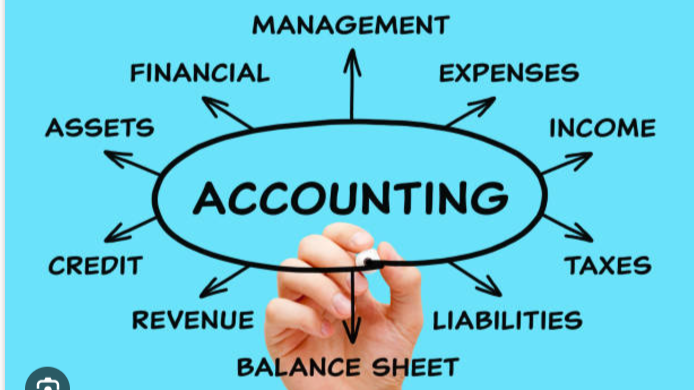
Managing business taxes efficiently is not just about meeting deadlines. It is about building reliable systems, maintaining accurate records, and making informed decisions throughout the year. When tax management becomes part of daily accounting practices, businesses reduce stress, avoid penalties, and improve cash flow predictability.
Below are practical accounting tips that help businesses handle taxes more effectively while staying compliant and organized.
Maintain Clear and Updated Financial Records
Accurate records form the foundation of efficient tax management. Disorganized data often leads to missed deductions and reporting errors.
Key practices to follow:
-
Record income and expenses consistently, not just at tax time
-
Separate personal and business transactions
-
Store invoices, receipts, and contracts in a structured system
-
Reconcile bank statements monthly
When records are up to date, tax calculations become faster and far less error-prone.
Categorize Expenses Correctly From the Start
Improper expense categorization can result in incorrect tax filings and lost deductions. Each transaction should be assigned to the right account as soon as it occurs.
Benefits of accurate categorization include:
-
Easier identification of deductible expenses
-
Cleaner financial reports for tax filings
-
Reduced back-and-forth with tax professionals
-
Lower risk of audits triggered by inconsistencies
Standardized expense categories also improve year-over-year comparisons.
Monitor Tax Obligations Throughout the Year
Waiting until year-end to assess tax liabilities often creates cash flow pressure. Tracking obligations regularly allows businesses to plan ahead.
What to monitor consistently:
-
Estimated tax payments
-
Sales or indirect tax collections
-
Payroll tax liabilities
-
Changes in taxable income
Regular monitoring ensures that tax payments are anticipated rather than reactive.
Take Advantage of Allowable Deductions
Many businesses pay more tax than necessary simply because deductions are overlooked. An efficient accounting system highlights deductible costs automatically.
Common deductible areas include:
-
Office rent and utilities
-
Business travel and vehicle expenses
-
Software subscriptions and professional services
-
Depreciation on eligible assets
Proper documentation is essential to support these deductions during assessments.
Align Accounting Periods With Tax Reporting Needs
Consistency between accounting periods and tax reporting cycles simplifies compliance. Misaligned periods often lead to rushed adjustments and calculation errors.
Best practices include:
-
Closing books on a fixed schedule
-
Reviewing financial statements before filing taxes
-
Adjusting accruals and provisions well in advance
This approach ensures tax filings reflect accurate financial performance.
Use Accounting Tools to Reduce Manual Errors
Automation reduces calculation mistakes and improves data accuracy. Modern accounting tools help track taxes without adding administrative burden.
Advantages of automation include:
-
Automatic tax calculations
-
Built-in compliance checks
-
Faster report generation
-
Secure storage of tax-related documents
Efficient tools allow finance teams to focus on analysis instead of corrections.
Review Tax Strategies With Professionals Periodically
Even with strong internal accounting practices, external reviews add value. Periodic discussions help identify risks and opportunities that internal teams may overlook.
Why periodic reviews matter:
-
Updates on regulatory changes
-
Validation of tax assumptions
-
Optimization of tax structures
-
Improved long-term planning
This proactive approach prevents last-minute surprises.
Build Tax Management Into Daily Accounting Processes
Efficient tax management is not a seasonal task. When accounting systems are designed with taxes in mind, compliance becomes routine rather than disruptive.
Long-term benefits include:
-
Predictable cash flow
-
Fewer penalties and interest charges
-
Stronger financial credibility
-
Better decision-making confidence
A disciplined accounting approach transforms tax management into a strategic advantage.
FAQs
1. How often should businesses review their tax-related accounts?
Tax-related accounts should be reviewed monthly to ensure accuracy and early detection of discrepancies.
2. Is manual bookkeeping suitable for managing business taxes?
Manual bookkeeping increases the risk of errors and is less efficient compared to digital accounting systems.
3. What records should be retained for tax purposes?
Invoices, receipts, bank statements, payroll records, and asset purchase documents should be retained as per regulatory requirements.
4. How can small businesses avoid underestimating tax payments?
Regular income tracking and quarterly tax reviews help prevent underestimation.
5. Do accounting tools eliminate the need for tax professionals?
No, tools improve efficiency, but professional guidance remains important for strategy and compliance.
6. How does proper expense tracking impact tax efficiency?
It ensures legitimate deductions are claimed and reduces the risk of reporting errors.
7. When should businesses update their tax planning approach?
Tax planning should be revisited whenever there is a change in revenue, structure, or regulatory environment.